
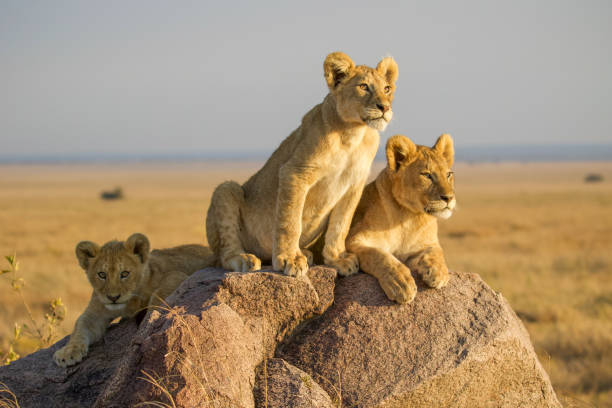
Discover Serengeti safari itineraries with Nabak Safaris and Tours. Explore 3–10 day safari routes, costs, travel tips, and expert planning for Tanzania safaris.
QUICK SUMMARY
This Serengeti safari itineraries guide explains the best travel plans for exploring Serengeti National Park, including 3-day, 5-day, 7-day, and extended safari routes. It helps travelers understand how to structure their safari, what to expect each day, and how Nabak Safaris and Tours designs optimized itineraries for wildlife viewing, migration tracking, and comfort.
WHY SERENGETI SAFARI ITINERARIES MATTER
A well-designed Serengeti safari itineraries guide is the foundation of every successful safari experience. Serengeti National Park is one of the largest and most wildlife-rich ecosystems in the world, and without proper planning, travelers can miss key wildlife events, migration routes, and iconic sightings.
Unlike short city trips, a Serengeti safari requires strategic movement across different regions of the park. Animals are constantly on the move, especially during the Great Migration, so timing and location are critical.
At Nabak Safaris and Tours, we design structured itineraries that maximize wildlife encounters while ensuring comfort, safety, and flexibility for every traveler.
WHAT ARE SERENGETI SAFARI ITINERARIES?
Serengeti safari itineraries are structured travel plans that outline:
- Number of safari days
- Daily game drive schedules
- Park regions to visit
- Accommodation types
- Wildlife viewing strategy
A good Serengeti safari itineraries guide ensures travelers experience the best possible wildlife sightings within their available time.
WHY YOU NEED A PROPER ITINERARY IN SERENGETI
1. Vast Size of the Park
Serengeti covers thousands of square kilometers, making planning essential.
2. Wildlife Movement Patterns
Animals move seasonally depending on rainfall and migration cycles.
3. Time Optimization
Without a structured plan, travelers may waste time traveling instead of viewing wildlife.
4. Accommodation Coordination
Proper itineraries ensure correct lodge or camp placement.
MAIN TYPES OF SERENGETI SAFARI ITINERARIES
1. 3-Day Serengeti Safari Itinerary
Best For:
- Short trips
- First-time visitors
- Budget travelers
Highlights:
- Central Serengeti game drives
- Basic wildlife sightings
- Quick safari experience
2. 5-Day Serengeti Safari Itinerary
Best For:
- Balanced safari experience
- Families
- Wildlife photography beginners
Highlights:
- Central and southern Serengeti
- More predator sightings
- Better exploration time
3. 7-Day Serengeti Safari Itinerary
Best For:
- Serious wildlife lovers
- Migration tracking
- Photography safaris
Highlights:
- Multiple Serengeti regions
- Full-day game drives
- Deep wildlife immersion
4. 10-Day Extended Safari Itinerary
Best For:
- Luxury travelers
- Comprehensive Tanzania safari
- Full migration experience
Highlights:
- Serengeti + Ngorongoro + Tarangire
- Full ecosystem exploration
- Maximum wildlife diversity
COMPARISON TABLE: SERENGETI SAFARI ITINERARIES
| Itinerary | Duration | Experience Level | Wildlife Coverage |
|---|---|---|---|
| 3-Day | Short | Basic | Limited |
| 5-Day | Medium | Balanced | Good |
| 7-Day | Long | Advanced | Excellent |
| 10-Day | Extended | Expert | Full ecosystem |
ROLE OF NABAK SAFARIS AND TOURS IN ITINERARY DESIGN
At Nabak Safaris and Tours, we design itineraries based on:
- Wildlife migration timing
- Seasonal park conditions
- Traveler interests (photography, luxury, budget)
- Park entry logistics
- Accommodation availability
This ensures every Serengeti safari itineraries experience is optimized for success.
WHAT MAKES A GOOD SERENGETI ITINERARY
A strong itinerary must include:
- Balanced travel and game drive time
- Strategic park region selection
- Flexibility for wildlife movement
- Rest time between drives
- Expert guide planning
COMMON MISTAKES IN SAFARI PLANNING
1. Too Short Itineraries
Travelers often underestimate Serengeti’s size.
2. Fixed Schedules Without Flexibility
Wildlife does not follow human schedules.
3. Ignoring Seasonal Migration
Timing is critical for sightings.
DETAILED 3–5 DAY SERENGETI SAFARI ITINERARIES, DAILY GAME DRIVE STRUCTURE & ROUTE PLANNING
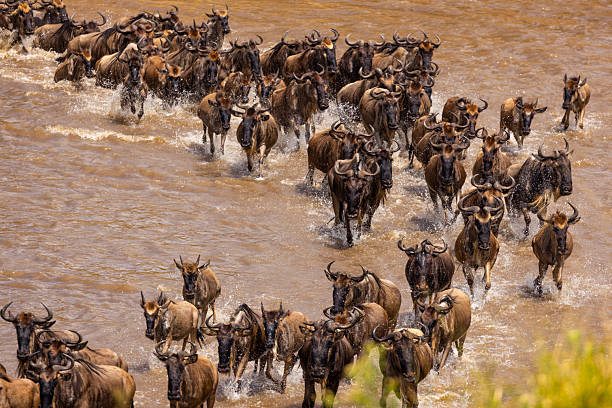
This section of the Serengeti safari itineraries guide provides a deep, practical breakdown of the most popular short safari plans: the 3-day and 5-day Serengeti itineraries. It explains how each day is structured, where travelers go, what wildlife they can expect, and how Nabak Safaris and Tours optimizes each route for maximum game viewing efficiency.
HOW SHORT SERENGETI SAFARI ITINERARIES WORK
A well-designed Serengeti safari itineraries guide must explain how short safaris are structured in real conditions. Many travelers only have a limited number of days, but Serengeti is a vast ecosystem. This means every hour must be carefully planned to maximize wildlife viewing.
Short itineraries focus on high-density wildlife areas such as Central Serengeti (Seronera), while also adjusting routes depending on season and migration patterns. With Nabak Safaris and Tours, each itinerary is optimized to reduce travel time and increase game drive success.
3-DAY SERENGETI SAFARI ITINERARY (DETAILED BREAKDOWN)
DAY 1: ARRIVAL & CENTRAL SERENGETI INTRODUCTION GAME DRIVE
Route: Arusha → Serengeti National Park (Central Region)
Morning:
- Departure from Arusha or Ngorongoro
- Scenic drive through highlands and plains
- Entry into Serengeti via Naabi Gate
Afternoon Game Drive:
- First wildlife introduction in Central Serengeti
- Sightings: zebras, wildebeest, giraffes, elephants
- Possible predator encounters (lions, cheetahs)
Evening:
- Arrival at campsite or lodge
- Sunset viewing in Serengeti plains
- Dinner and briefing
This first day of the Serengeti safari itineraries guide focuses on orientation and initial wildlife exposure.
DAY 2: FULL DAY CENTRAL SERENGETI GAME DRIVE
This is the most important day of the 3-day itinerary.
Morning Game Drive:
- Early departure at sunrise
- Predator tracking (lions, leopards)
- Herd movement observation
Midday:
- Picnic lunch inside the park
- Rest under acacia trees
Afternoon Game Drive:
- River areas and kopjes exploration
- Possible cheetah sightings
- Bird watching opportunities
Evening:
- Return to camp
- Campfire storytelling experience
This day defines the quality of the Serengeti safari itineraries experience.
DAY 3: FINAL MORNING GAME DRIVE & DEPARTURE
Morning:
- Short sunrise game drive
- Final wildlife photography session
Late Morning:
- Return journey to Arusha or next destination
This concludes the 3-day safari itinerary.
5-DAY SERENGETI SAFARI ITINERARY (DETAILED BREAKDOWN)
A 5-day itinerary offers deeper exploration and better wildlife diversity.
DAY 1: ARRIVAL IN SERENGETI
- Entry through Ngorongoro or Naabi Gate
- Afternoon game drive in Central Serengeti
- First wildlife encounters
DAY 2: CENTRAL SERENGETI FULL EXPLORATION
- Morning predator tracking
- Afternoon river and kopjes exploration
- High chance of lion and leopard sightings
DAY 3: TRANSFER TO SOUTHERN SERENGETI (SEASONAL)
Depending on migration:
- Ndutu plains during calving season
- Large herds of wildebeest and zebras
- Predator action increases
This flexibility is essential in a professional Serengeti safari itineraries guide.
DAY 4: FULL DAY MIGRATION TRACKING
- Following wildebeest herds
- Predator-prey interactions
- Photography opportunities
DAY 5: MORNING GAME DRIVE & EXIT
- Final sunrise safari
- Return journey to Arusha or Ngorongoro
DAILY GAME DRIVE STRUCTURE (STANDARD PATTERN)
A typical day in Serengeti follows a structured pattern:
1. Early Morning (6:00–9:00 AM)
- Best predator activity
- Cool temperatures
- High wildlife movement
2. Mid-Morning (9:00–11:00 AM)
- Herd movement tracking
- Bird activity increases
3. Midday Break (11:30–2:30 PM)
- Picnic lunch
- Rest and shade
4. Afternoon Game Drive (3:30–6:30 PM)
- Predator hunting activity
- Golden hour photography
5. Evening Return
- Sunset viewing
- Camp relaxation
This structure is central to all Serengeti safari itineraries guides.
COMPARISON TABLE: 3-DAY VS 5-DAY ITINERARIES
| Feature | 3-Day Safari | 5-Day Safari |
|---|---|---|
| Wildlife Coverage | Basic | Extensive |
| Travel Distance | Short | Moderate |
| Migration Access | Limited | Higher chance |
| Photography Time | Limited | Better opportunities |
| Experience Depth | Introductory | Advanced |
WHY 5-DAY ITINERARIES ARE MORE EFFECTIVE
- More time for predator tracking
- Ability to follow migration patterns
- Less rushed experience
- Better photography conditions
ROLE OF NABAK SAFARIS AND TOURS IN ROUTE PLANNING
We ensure:
- Real-time itinerary adjustments
- Migration-based route changes
- Efficient driving schedules
- Balanced rest and game drive time
- Experienced driver-guides
This guarantees a high-quality Serengeti safari itineraries experience.
ADVANCED 7 & 10 DAY SERENGETI SAFARI ITINERARIES, GREAT MIGRATION ROUTES, LUXURY PLANNING & REGIONAL STRATEGY
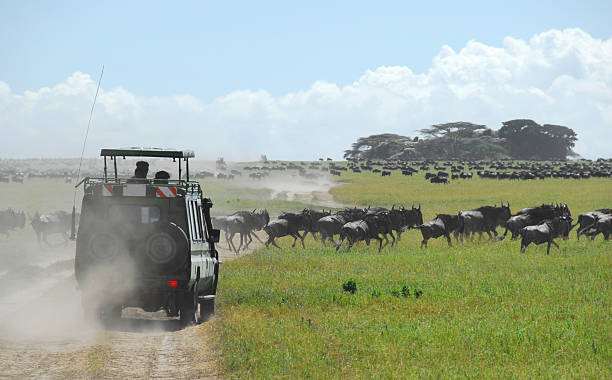
Safari Vehicle Amidst the Great Wildebeest Migration in Serengeti National Park with additional vehicled and wildebeest further in the distance.
This section of the Serengeti safari itineraries guide explains advanced safari planning for 7-day and 10-day itineraries. It focuses on full Serengeti region coverage, Great Migration tracking routes, luxury safari structuring, and strategic park movement. With Nabak Safaris and Tours, longer itineraries allow deeper wildlife immersion, better photography opportunities, and complete ecosystem exploration.
WHY LONG SERENGETI SAFARI ITINERARIES MATTER
A complete Serengeti safari itineraries guide must go beyond short trips and explore advanced travel planning. While 3-day and 5-day safaris offer introductions, they cannot fully capture the depth of Serengeti’s ecosystems.
Serengeti is not a single landscape—it is a dynamic wildlife system where animals move across regions depending on rainfall, food availability, and predator pressure. Longer itineraries allow travelers to follow these movements, especially during the Great Migration.
At Nabak Safaris and Tours, we design 7-day and 10-day safaris that provide a full storytelling experience of Serengeti rather than just short encounters.
7-DAY SERENGETI SAFARI ITINERARY (DETAILED EXPANSION)
DAY 1: ARRIVAL & CENTRAL SERENGETI INTRODUCTION
- Entry through Naabi Gate
- Afternoon game drive in Seronera Valley
- First sightings: elephants, giraffes, lions
- Sunset photography session
This day introduces travelers to the core ecosystem of the Serengeti safari itineraries guide experience.
DAY 2: CENTRAL SERENGETI FULL GAME EXPLORATION
- Early morning predator tracking
- Leopard sightings in kopjes
- Riverine wildlife observation
- Afternoon cheetah search
Central Serengeti is the heartbeat of the safari system.
DAY 3: NORTHERN SERENGETI TRANSFER (SEASONAL MIGRATION ROUTE)
- Long scenic drive north
- Transition from plains to river ecosystems
- Wildlife tracking along migration paths
Key highlight: approaching Mara River ecosystem.
DAY 4: MARA RIVER MIGRATION EXPERIENCE
- Wildebeest crossing (seasonal)
- Crocodile predator action
- Large herd movement tracking
This is one of the most dramatic experiences in the Serengeti safari itineraries guide.
DAY 5: FULL NORTHERN SERENGETI EXPLORATION
- Remote safari experience
- Less crowded wildlife viewing
- Lion pride territory exploration
DAY 6: RETURN TO CENTRAL SERENGETI
- Slow game drive southwards
- Bird watching and photography stops
- Final predator tracking opportunities
DAY 7: FINAL GAME DRIVE & DEPARTURE
- Sunrise safari
- Final photography session
- Exit Serengeti
10-DAY SERENGETI SAFARI ITINERARY (COMPLETE EXPANSION)
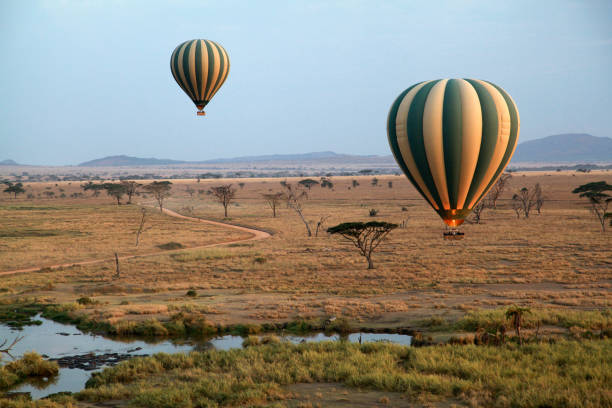
Hot air balloon in Serengeti
A 10-day itinerary represents the most complete version of the Serengeti safari itineraries guide.
DAY 1–2: CENTRAL SERENGETI FOUNDATION EXPERIENCE
- Wildlife introduction
- Predator tracking
- Landscape photography
DAY 3–4: SOUTHERN SERENGETI (NDUTU REGION)
- Calving season experience (Jan–March)
- Thousands of wildebeest births
- Intense predator-prey interaction
DAY 5–6: CENTRAL TO WESTERN CORRIDOR
- Grumeti River exploration
- Hippos and crocodiles
- Less tourist congestion
DAY 7–8: NORTHERN SERENGETI MIGRATION ZONE
- Mara River crossings
- Large herd movements
- Big cat hunting behavior
DAY 9: FULL WILDLIFE REFLECTION DAY
- Flexible game drives
- Revisit best locations
- Photography focus
DAY 10: FINAL SUNRISE & EXIT
- Early morning game drive
- Final Serengeti experience moments
- Departure
GREAT MIGRATION ROUTE STRATEGY
A key part of the Serengeti safari itineraries guide is migration tracking.
Migration Cycle Regions:
- South (calving season)
- Central (movement hub)
- West (river crossings)
- North (Mara River crossings)
Understanding this cycle is essential for planning safari timing.
REGIONAL STRATEGY FOR SAFARI ITINERARIES
1. Central Serengeti
- Best year-round wildlife area
- Ideal for short and long safaris
2. Southern Serengeti
- Best for calving season
- Predator interaction hotspot
3. Western Corridor
- River ecosystems
- Unique predator behavior
4. Northern Serengeti
- Migration climax zone
- Exclusive safari experience
LUXURY VS STANDARD ITINERARY PLANNING
| Feature | Standard Safari | Luxury Safari |
|---|---|---|
| Accommodation | Camps/Lodges | Premium lodges |
| Vehicle | Shared | Private |
| Flexibility | Limited | High |
| Guide Level | Standard | Expert guide |
| Experience Depth | Moderate | Fully immersive |
PHOTOGRAPHY STRATEGY FOR LONG ITINERARIES
- Follow golden hour light cycles
- Spend more time in key wildlife zones
- Capture migration crossings
- Use flexible scheduling
WHY LONG ITINERARIES ARE MORE POWERFUL
- Full ecosystem coverage
- Better predator sightings
- Migration tracking success
- Reduced travel pressure
- More storytelling experience
ROLE OF NABAK SAFARIS AND TOURS
We ensure:
- Migration-based itinerary planning
- Flexible route adjustments
- Expert driver-guides
- Luxury and budget customization
- Real-time wildlife tracking
This guarantees a premium Serengeti safari itineraries experience.
SERENGETI SAFARI ITINERARY COSTS, BOOKING PROCESS, FAQs, EXPERT TRAVEL STRATEGY & FINAL CONCLUSION
This final section of the Serengeti safari itineraries guide explains safari costs, booking procedures, frequently asked questions, and expert planning insights. It helps travelers understand how to choose the right itinerary, how pricing works, and how Nabak Safaris and Tours structures seamless safari experiences across all budget levels and durations.
FROM SAFARI PLANNING TO REAL SERENGETI EXPERIENCE
A complete Serengeti safari itineraries guide does not end with route planning—it must connect planning to real travel execution. Many travelers understand itineraries but struggle with pricing, booking decisions, and selecting the right package.
Serengeti safaris are highly flexible, and costs vary depending on duration, accommodation, season, and travel style. Without proper guidance, travelers may overspend or miss key wildlife opportunities.
At Nabak Safaris and Tours, we ensure every itinerary is transparent, well-structured, and aligned with traveler expectations, whether budget, mid-range, or luxury.
SERENGETI SAFARI ITINERARY COST STRUCTURE
1. Budget Safari Itineraries
- $200 – $350 per person per day
- Basic camping or budget lodges
- Shared safari vehicles
- Standard 3–5 day itineraries
Best For:
- Backpackers
- Students
- First-time safari travelers
Budget itineraries still offer strong wildlife exposure when well planned.
2. Mid-Range Safari Itineraries
- $350 – $700 per person per day
- Comfortable lodges or tented camps
- Private or semi-private vehicles
- 5–7 day optimized itineraries
Best For:
- Families
- Couples
- Photography beginners
This is the most balanced option in a Serengeti safari itineraries guide.
3. Luxury Safari Itineraries
- $700 – $1500+ per person per day
- High-end lodges and luxury tented camps
- Private 4×4 safari vehicle
- Expert guide and customized routing
- 7–10 day exclusive itineraries
Best For:
- Honeymoon travelers
- Luxury explorers
- Professional photographers
COMPARISON TABLE: SAFARI ITINERARY PACKAGES
| Package Type | Cost | Accommodation | Experience Level | Flexibility |
|---|---|---|---|---|
| Budget | Low | Basic | Standard | Limited |
| Mid-Range | Medium | Comfortable | Balanced | Moderate |
| Luxury | High | Premium | Exclusive | High |
WHAT AFFECTS SERENGETI SAFARI ITINERARY COSTS
A professional Serengeti safari itineraries guide must explain pricing factors clearly:
1. Season
- Peak season (July–October): higher prices
- Low season: more affordable
2. Duration
- Longer safaris cost more but offer better value per day
3. Accommodation Type
- Camps vs lodges vs luxury tented camps
4. Vehicle Type
- Shared vs private safari vehicle
5. Park Entry Fees
- Serengeti and conservation fees included in pricing
HOW TO BOOK A SERENGETI SAFARI ITINERARY
STEP 1: SELECT YOUR ITINERARY LENGTH
- 3 days (short experience)
- 5 days (balanced safari)
- 7 days (advanced safari)
- 10 days (full experience)
STEP 2: CHOOSE TRAVEL STYLE
- Budget
- Mid-range
- Luxury
STEP 3: CONFIRM TRAVEL DATES
- Align with migration seasons if possible
- Consider weather conditions
STEP 4: BOOK WITH A TRUSTED OPERATOR
Booking with Nabak Safaris and Tours ensures:
- Verified safari vehicles
- Professional driver-guides
- Transparent pricing
- Flexible itinerary adjustments
- Real-time wildlife tracking support
BEST TIME TO FOLLOW SERENGETI SAFARI ITINERARIES
Dry Season (June – October)
- Best wildlife visibility
- Easier road access
- Ideal for photography
Wet Season (November – April)
- Green landscapes
- Calving season (Jan–March)
- Bird migration peak
Both seasons are important in a full Serengeti safari itineraries guide.
FREQUENTLY ASKED QUESTIONS (FAQs)
1. How many days do I need for Serengeti?
At least 5 days is recommended for meaningful wildlife experience.
2. Can I customize my itinerary?
Yes, Nabak Safaris and Tours offers fully customizable itineraries.
3. What is included in safari packages?
Accommodation, park fees, vehicle, guide, and game drives.
4. Is Serengeti safe for tourists?
Yes, when traveling with licensed operators and following guide instructions.
5. What is the best itinerary for migration?
7–10 day itineraries are best for following the Great Migration.
6. Can I combine Serengeti with other parks?
Yes, many itineraries include Ngorongoro, Tarangire, and Lake Manyara.
EXPERT SAFARI PLANNING STRATEGY
From field experience, Nabak Safaris and Tours recommends:
- Always prioritize migration timing
- Choose longer itineraries if possible
- Use private vehicles for flexibility
- Avoid overly rushed schedules
- Balance travel and rest days
These strategies significantly improve the Serengeti safari itineraries experience.
WHY SERENGETI ITINERARIES REQUIRE EXPERT PLANNING
Serengeti is not a simple destination—it is a dynamic ecosystem where:
- Wildlife moves constantly
- Weather changes affect routes
- Migration alters landscapes
- Road conditions vary seasonally
Proper itinerary design ensures maximum success.
ROLE OF NABAK SAFARIS AND TOURS
We provide:
- Professionally designed itineraries
- Real-time safari adjustments
- Experienced wildlife guides
- Budget to luxury customization
- Safe and reliable travel logistics
Our goal is to deliver the most optimized Serengeti safari itineraries guide experience in Tanzania.
FINAL CONCLUSION
The Serengeti safari itineraries guide demonstrates that a successful safari depends on planning, timing, and execution. From short 3-day trips to immersive 10-day expeditions, each itinerary offers a different way to experience Serengeti’s incredible wildlife and landscapes.
With the right planning and expert support from Nabak Safaris and Tours, travelers can enjoy seamless game drives, unforgettable wildlife encounters, and a deep connection with one of the world’s greatest natural wonders.
A well-structured itinerary is not just a plan—it is the key to unlocking the full Serengeti experience.
About the Author
