
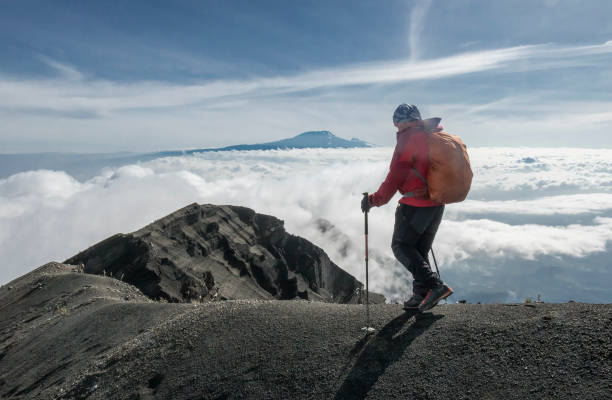
Discover exactly what to pack for Mount Meru, including essential gear, clothing, safety equipment, and expert trekking advice from Nabak Safaris and Tours for a successful climb
Introduction
Understanding what to pack for Mount Meru is one of the most important steps in preparing for a successful climb on Mount Meru. Many trekkers focus heavily on fitness and route planning but underestimate how much proper packing influences comfort, safety, and summit success.
Located inside Arusha National Park, Mount Meru presents a unique combination of rainforest humidity, alpine cold, and summit-level freezing temperatures. This means your packing list must be carefully designed to handle multiple climate zones in a single trek.
This guide by Nabak Safaris and Tours explains everything you need to know about what to pack for Mount Meru, ensuring you are fully prepared for every stage of the climb.
Quick Summary
- Mount Meru has 4 climate zones
- Weather changes rapidly during trek
- Layered clothing is essential
- Proper gear improves safety and comfort
- Packing correctly increases summit success
Why Packing Matters on Mount Meru
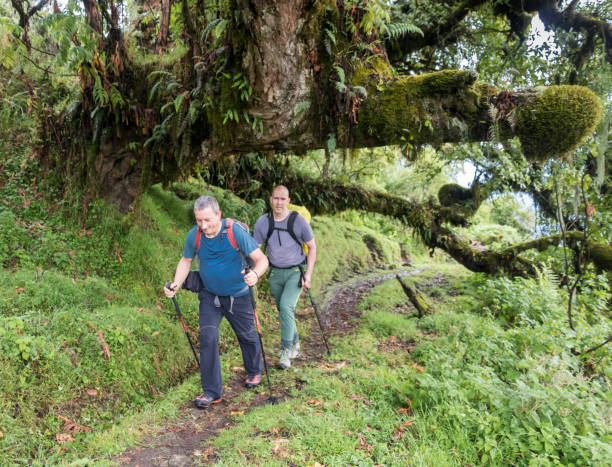
Knowing what to pack for Mount Meru is critical because the mountain is not a simple hike—it is a multi-environment expedition.
1. Multiple Climate Zones
Trekkers experience:
- Warm rainforest at base
- Cool moorland mid-section
- Cold alpine desert
- Freezing summit ridge
2. Rapid Weather Changes
Weather can shift quickly:
- Rain in forest zones
- Strong winds at mid-altitude
- Freezing temperatures at night
3. Physical Demands
Improper gear leads to:
- Fatigue
- Blisters
- Hypothermia risk
- Reduced performance
Essential Packing Philosophy
The key principle for what to pack for Mount Meru is:
“Pack light, but prepare for all conditions.”
This means carrying only essential items but ensuring every piece serves a purpose.
Core Packing Categories
To simplify what to pack for Mount Meru, items are grouped into:
1. Clothing System
- Base layers
- Mid layers
- Outer protection
2. Footwear
- Hiking boots
- Camp shoes
3. Camping Equipment
- Sleeping gear
- Lighting tools
4. Personal Essentials
- Hygiene items
- Health protection
Basic Gear Importance
Each item in your packing list plays a specific role:
- Clothing protects against temperature changes
- Boots ensure stability on rocky terrain
- Sleeping gear ensures recovery
- Safety items protect against emergencies
Expert Insight from Nabak Safaris and Tours
Experts confirm that most trekking issues on Mount Meru are caused by poor packing decisions rather than physical difficulty.
Key insights:
- Cotton clothing increases discomfort
- Heavy luggage slows trekking speed
- Missing warm layers leads to cold stress
- Proper packing increases summit success rate
Comparison Table: Proper vs Poor Packing
| Category | Proper Packing | Poor Packing |
|---|---|---|
| Clothing | Layered system | Cotton-only clothes |
| Footwear | Broken-in hiking boots | New uncomfortable shoes |
| Gear weight | Balanced load | Overpacked bag |
| Weather prep | All-weather readiness | Minimal preparation |
Bullet Point Highlights
- Mount Meru has extreme weather variation
- Layered clothing is essential
- Proper boots prevent injuries
- Lightweight packing improves performance
- Preparation increases safety
This section shows that understanding what to pack for Mount Meru is not just about clothing—it is about preparing for a full mountain ecosystem experience. From rainforest humidity to alpine cold, every item in your bag plays a critical role in your success.
With expert guidance from Nabak Safaris and Tours, trekkers can prepare efficiently and confidently begin their Mount Meru adventure.
Clothing System, Footwear & Weather-Based Packing Strategy
When planning what to pack for Mount Meru, clothing and footwear are the most important decisions you will make. On Mount Meru, trekkers move through completely different climate zones—from hot rainforest at the base to freezing alpine conditions near the summit.
This means your packing system must be flexible, layered, and adaptable. This section by Nabak Safaris and Tours provides a detailed breakdown of clothing, footwear, and weather-based packing strategies to help you master what to pack for Mount Meru effectively.
1. Clothing System (Layering Method)
A proper clothing system is the foundation of what to pack for Mount Meru.
Why Layering Is Important
Mount Meru experiences:
- Warm and humid conditions in forests
- Cold winds at mid-altitude
- Freezing temperatures at summit
A single outfit cannot handle all conditions.
A. Base Layer (Moisture Control)
This is the layer closest to your skin.
Purpose
- Absorbs sweat
- Keeps body dry
- Prevents chills
Recommended Items
- Synthetic long-sleeve shirts
- Thermal underwear
- Quick-dry tops
Avoid
- Cotton clothing (it retains moisture)
B. Mid Layer (Insulation Layer)
This layer keeps body heat trapped.
Purpose
- Maintains warmth
- Provides comfort in cold zones
Recommended Items
- Fleece jackets
- Light insulated sweaters
- Thermal pullovers
C. Outer Layer (Protection Layer)
This is your shield against weather.
Purpose
- Blocks wind
- Protects from rain
- Maintains warmth
Recommended Items
- Waterproof jacket
- Windproof shell
- Rain poncho (backup option)
2. Footwear Essentials
Footwear is one of the most critical parts of what to pack for Mount Meru.
A. Hiking Boots (Most Important Item)
Requirements
- Waterproof
- Ankle support
- Well broken-in (not new)
Why It Matters
Mount Meru trails include:
- Rocky terrain
- Muddy forest paths
- Steep volcanic slopes
Improper boots lead to:
- Blisters
- Slipping injuries
- Reduced performance
B. Camp Shoes
After long trekking hours, comfort matters.
Recommended
- Lightweight sandals
- Slip-on shoes
Purpose
- Rest feet at camp
- Reduce pressure after hiking
3. Weather-Based Packing Strategy
Understanding weather is essential when deciding what to pack for Mount Meru.
Rainforest Zone (Lower Section)
Conditions
- Humid
- Wet
- Warm
What to Pack
- Lightweight breathable clothing
- Rain jacket
- Quick-dry socks
Moorland Zone (Mid Section)
Conditions
- Cooler temperatures
- Wind exposure
What to Pack
- Fleece jacket
- Gloves (light)
- Windbreaker
Alpine Zone (High Altitude)
Conditions
- Cold nights
- Strong winds
What to Pack
- Thermal layers
- Heavy fleece
- Warm hat
Summit Zone
Conditions
- Freezing temperatures
- Very strong winds
What to Pack
- Insulated jacket
- Thermal gloves
- Face protection
4. Essential Survival Gear (Clothing-Related Add-ons)
These are often overlooked in what to pack for Mount Meru but are very important.
Must-Have Items
- Waterproof gloves
- Wool socks
- Sun hat
- Buff or neck warmer
Why These Matter
They protect against:
- Cold exposure
- Sunburn
- Wind burns
- Moisture buildup
Comparison Table: Proper vs Poor Clothing Strategy
| Category | Proper Strategy | Poor Strategy |
|---|---|---|
| Layers | 3-layer system | Single clothing set |
| Footwear | Broken-in hiking boots | New shoes |
| Weather prep | Full adaptation system | No preparation |
| Comfort level | High | Low |
Expert Insight from Nabak Safaris and Tours
Experts confirm that clothing mistakes are the most common reason trekkers struggle on Mount Meru.
Key insights:
- Layering is more important than quantity
- Waterproof protection is essential
- Footwear must be tested before trekking
- Weather changes require adaptability
Proper understanding of what to pack for Mount Meru greatly improves comfort and summit success.
Bullet Point Highlights
- Layered clothing is essential
- Footwear must be waterproof and broken-in
- Weather changes across zones
- Protection gear prevents injuries
- Preparation increases success rate
This section shows that mastering what to pack for Mount Meru begins with understanding clothing systems, footwear requirements, and weather adaptation strategies. Each layer and item plays a critical role in ensuring safety, comfort, and performance during the climb.
With expert guidance from Nabak Safaris and Tours, trekkers can confidently prepare for all weather conditions on Mount Meru.
Backpack Essentials, Camping Gear, Hydration Tools & Packing Mistakes
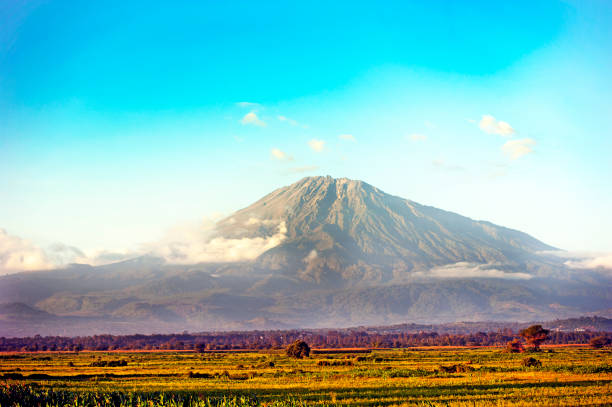
Beyond clothing and footwear, knowing what to pack for Mount Meru also depends on selecting the right backpack essentials, camping gear, hydration systems, and safety equipment. On Mount Meru, trekkers spend multiple days moving through forest, moorland, and alpine zones, meaning your gear must support both mobility and survival.
This section by Nabak Safaris and Tours provides a deep breakdown of everything that goes inside your backpack and campsite setup, along with critical mistakes to avoid when planning what to pack for Mount Meru.
1. Backpack Essentials (Core Carry System)
Your backpack is the center of what to pack for Mount Meru.
Recommended Backpack Size
- Daypack: 30–40 liters (summit day)
- Main duffel: 50–70 liters (carried by porters where applicable)
What to Carry in Daypack
1. Water Supply
- Reusable water bottles
- Hydration bladder (2–3 liters)
2. Snacks & Energy Food
- Energy bars
- Nuts and dried fruits
- Chocolate or glucose tablets
3. Weather Protection
- Rain jacket
- Extra warm layer
- Sun protection (hat, sunscreen)
4. Safety Items
- First aid basics
- Personal medication
- Headlamp
Why Backpack Organization Matters
Proper organization helps:
- Reduce fatigue
- Improve accessibility
- Maintain balance during trekking
2. Camping Gear Essentials
Camping equipment is a major part of what to pack for Mount Meru because nights on the mountain are cold and demanding.
Sleeping Equipment
Sleeping Bag
- Must be rated -10°C or lower
- Insulated and compact
Sleeping Mat
- Provides insulation from cold ground
- Improves sleep quality
Why Sleeping Gear Is Critical
At higher altitudes:
- Temperatures drop significantly at night
- Poor insulation leads to hypothermia risk
- Good sleep improves summit performance
3. Hydration Tools & Water Management
Hydration is one of the most overlooked parts of what to pack for Mount Meru.
Why Hydration Matters
At altitude:
- Body loses water faster
- Oxygen circulation decreases
- Fatigue increases quickly
Recommended Hydration Setup
- 2–3 liter hydration bladder
- Additional water bottles
- Electrolyte tablets
Best Hydration Practice
- Drink small sips frequently
- Do not wait until thirsty
- Refill at designated points
4. Safety Equipment (Must-Have Items)
Safety gear is essential in what to pack for Mount Meru.
Essential Safety Items
- Headlamp with extra batteries
- Basic first aid kit
- Emergency whistle
- Multi-tool or knife
Why Safety Gear Is Important
Mount Meru environment includes:
- Dense forest wildlife
- Rapid weather changes
- Steep volcanic terrain
5. Common Packing Mistakes to Avoid
Avoiding mistakes is just as important as knowing what to pack for Mount Meru.
Mistake 1: Overpacking
- Carrying unnecessary clothes
- Adding heavy non-essential items
Mistake 2: Underpacking Warm Gear
- Ignoring summit cold conditions
- No thermal protection
Mistake 3: New Gear Without Testing
- Unbroken hiking boots
- Unused backpacks
Mistake 4: Poor Water Planning
- Not carrying enough water
- Ignoring electrolytes
Comparison Table: Smart vs Poor Packing Approach
| Category | Smart Packing Strategy | Poor Packing Strategy |
|---|---|---|
| Backpack | Organized & light | Overloaded & messy |
| Water | Hydration system ready | Insufficient supply |
| Sleeping gear | Insulated & tested | Inadequate equipment |
| Safety tools | Fully equipped | Missing essentials |
Expert Insight from Nabak Safaris and Tours
Experts confirm that success on Mount Meru depends heavily on smart packing decisions.
Key insights:
- Backpack balance improves endurance
- Hydration directly affects altitude performance
- Sleeping gear determines recovery quality
- Mistakes often lead to avoidable difficulties
Understanding what to pack for Mount Meru properly ensures a safer and more enjoyable trekking experience.
Bullet Point Highlights
- Backpack organization is essential
- Hydration improves altitude adaptation
- Sleeping gear ensures recovery
- Safety tools are mandatory
- Overpacking reduces performance
This section proves that knowing what to pack for Mount Meru goes beyond clothing—it includes backpack strategy, camping equipment, hydration planning, and safety preparation. Every item plays a role in your comfort, endurance, and summit success.
With expert support from Nabak Safaris and Tours, trekkers can pack efficiently and confidently prepare for all stages of Mount Meru.
Final Packing Checklist, FAQs, Expert Summary & Complete Trekking Advice
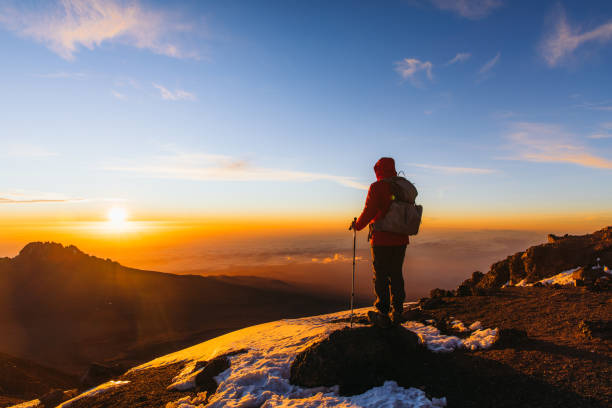
After exploring clothing systems, footwear, backpack essentials, and safety gear, it is now clear that understanding what to pack for Mount Meru is the foundation of a successful trek on Mount Meru.
However, many trekkers still make mistakes during final preparation. This section by Nabak Safaris and Tours brings everything together into a complete expert guide, including final checklist, FAQs, comparison table, safety reminders, and professional advice to ensure you are fully ready.
Final Expert Packing Checklist
Below is the complete summary of what to pack for Mount Meru:
1. Clothing
- Base layers (thermal, moisture-wicking)
- Mid layers (fleece or warm sweater)
- Outer waterproof jacket
- Warm hat and gloves
- Quick-dry trekking clothes
2. Footwear
- Waterproof hiking boots (broken-in)
- Comfortable camp shoes or sandals
- Thick trekking socks (wool recommended)
3. Backpack Essentials
- 30–40L daypack
- Hydration system (2–3 liters)
- Energy snacks
- Rain protection gear
- Headlamp with spare batteries
4. Camping Gear
- Sleeping bag (-10°C rated minimum)
- Sleeping mat
- Lightweight travel towel
5. Safety & Personal Items
- First aid kit
- Personal medication
- Sunscreen
- Lip balm
- Emergency whistle
Extended FAQs
1. What is the most important item when deciding what to pack for Mount Meru?
The most important item is a proper layered clothing system because weather changes across all altitude zones.
2. Do I need a sleeping bag for Mount Meru?
Yes, a warm sleeping bag rated for freezing temperatures is essential for summit nights.
3. Can I rent gear instead of packing everything?
Yes, some gear can be rented, but personal items like boots and base layers should always be brought.
4. What happens if I pack incorrectly?
Poor packing can lead to cold exposure, fatigue, blisters, and reduced summit success.
5. Is packing the same in all seasons?
No. Rainy season requires more waterproof gear, while dry season focuses on sun and dust protection.
Comparison Table: Proper vs Poor Packing Strategy
| Category | Proper Packing | Poor Packing |
|---|---|---|
| Clothing | Layered system | Single light clothing |
| Footwear | Waterproof boots | New/uncomfortable shoes |
| Backpack | Organized & light | Overloaded bag |
| Weather prep | Full protection gear | Minimal preparation |
Expert Insight from Nabak Safaris and Tours
Field experience shows that most trekking challenges on Mount Meru are caused by poor preparation rather than difficulty of the mountain itself.
Key insights:
- Proper packing increases summit success rate significantly
- Layering system adapts to all climate zones
- Hydration and warmth are critical for performance
- Good gear reduces fatigue and injury risk
Understanding what to pack for Mount Meru ensures a safer, smoother, and more enjoyable adventure.
Bullet Point Summary
- Mount Meru has multiple climate zones
- Layered clothing is essential
- Proper boots prevent injuries
- Hydration improves endurance
- Smart packing increases success
Safety Reminder
Even with perfect packing:
- Always follow guide instructions
- Walk slowly (“pole pole”)
- Stay hydrated
- Monitor altitude symptoms
Final Conclusion
Mastering what to pack for Mount Meru is the difference between a difficult trek and a successful, enjoyable adventure. From clothing and footwear to camping gear and safety equipment, every item has a purpose in ensuring comfort and summit success.
With expert support from Nabak Safaris and Tours, trekkers can prepare confidently and enjoy one of Tanzania’s most rewarding mountain experiences.
Ready to climb Mount Meru?
👉 Book your guided trekking experience with Nabak Safaris and Tours and enjoy a professionally organized adventure with the perfect packing support.
About the Author
